The Best Circadian Eating Gear and Books
Let's be clear up front: circadian eating is free. You don't need to buy anything to eat earlier and close your kitchen before bed. But a few tools genuinely make the pattern easier to keep, mostly by fixing the light side of your clock and by showing you your own data. Here's what earns a spot, roughly in order of how much it actually helps, and where a gadget is just a gadget.
Morning Light: The Thing That Makes Early Eating Work
Food is only half your clock. Light is the anchor, and morning light is the signal that sets the timer early eating depends on. If you wake before sunrise or live somewhere dark in winter, a bright light lamp in the morning does more for your rhythm than any eating trick. For the full lighting story, our sister site CircadianBulbs.com goes deep. Here are the food-clock essentials.
Verilux HappyLight Luxe, 10,000 lux light therapy lamp
Ten thousand lux is the intensity used in the research, and the HappyLight Luxe delivers it UV-free with adjustable brightness, color, and a countdown timer. Fifteen to thirty minutes in front of it soon after waking anchors your clock and, over a couple of weeks, makes an early eating window feel natural instead of forced. It's the most-recommended consumer light lamp for good reason, and the timer stops you overdoing it.
Check price on AmazonCarex Day-Light Classic Plus
The larger, clinic-style option. It puts out 10,000 lux at about a foot with a big glare-free screen and an adjustable stand, which makes it easy to use hands-free while you eat breakfast or work. Bulkier and pricier than the HappyLight, and worth it if you want a fixed morning station rather than a portable lamp.
Check price on AmazonWaking Up on Time: Sunrise Alarms
Hatch Restore sunrise alarm clock
A consistent wake time is the backbone of a consistent eating window, and a sunrise alarm makes early waking gentler by fading light in before the sound. The Hatch Restore is the popular pick, doubling as a dim, warm reading light at night and a sunrise simulator in the morning. It won't fix your clock alone, but it makes the get-up-at-the-same-time habit far easier to keep.
Check price on AmazonSeeing Your Own Data: Over-the-Counter Glucose Monitors
This is the most interesting new category, and the one where I want to set expectations carefully. As of 2024 you can buy a continuous glucose monitor without a prescription. Worn on your arm, it shows how your blood sugar responds to meals in real time. For circadian eating, that's genuinely educational: you can watch your own glucose spike higher after a late dinner than the same meal at lunch, which turns an abstract idea into a graph of your own body.
The honest caveat: for a healthy person not on insulin, a CGM is a learning tool, not a medical necessity. It's easy to over-interpret normal swings and turn eating into anxiety. Use it for a few weeks to learn your patterns, then you may not need it running forever. It is not a diagnostic device and not a substitute for medical testing.
Dexcom Stelo
An over-the-counter biosensor for adults not on insulin, with a 15-day wear time. At publication a two-sensor pack (about 30 days) ran around $99, or roughly $89 a month on subscription, and it's HSA/FSA eligible. A clean app and a good first choice for seeing your meal-timing patterns.
Check price on AmazonAbbott Lingo
The other main over-the-counter option, aimed at general health rather than diabetes. At publication a two-week single sensor ran around $49, with multi-week bundles bringing the per-day cost down. Similar idea, different app ecosystem. Either one does the core job of showing you your glucose response to meal timing.
Check price on AmazonMeal Prep: Making Early Eating Realistic
The single biggest reason people fail at front-loading their day is that a real breakfast and lunch take more planning than grabbing dinner. Prep is the fix, and it's cheap.
Glass meal prep containers (set)
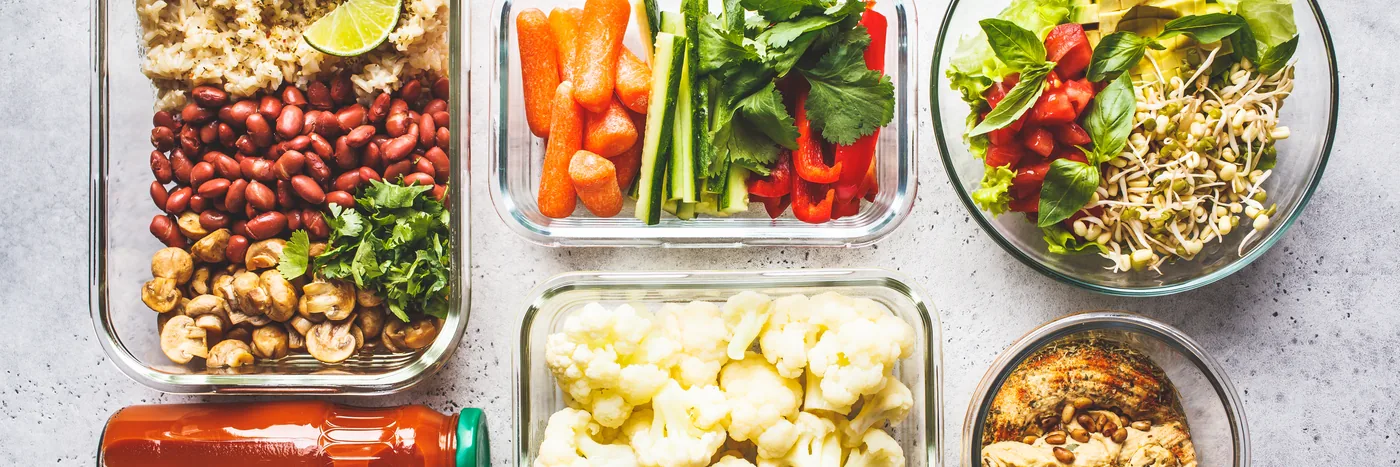
The unglamorous hero of eating on a clock. Portioning breakfasts and lunches on Sunday is what makes a bigger-earlier eating pattern survive a busy week. Glass over plastic so you can reheat without the microwave-plastic question. A basic set is inexpensive and lasts years.
Check price on AmazonThe Books Worth Reading
The Circadian Code, by Satchin Panda, PhD
This is the source. Panda is the Salk Institute researcher whose lab launched much of the time-restricted eating field, and this is the readable, practical version of his work covering when to eat, sleep, and use light. If you read one book on this topic, read this one.
Check price on AmazonThe Circadian Diabetes Code, by Satchin Panda, PhD
The follow-up, focused on using meal, sleep, and exercise timing to prevent and manage prediabetes and type 2 diabetes. A natural next read if blood sugar is your reason for being here. As always, a book is not a treatment plan; work with your doctor on anything medical.
Check price on AmazonWhat You Don't Need
You don't need a fasting app with a countdown timer to know when 6pm is. You don't need expensive supplements sold as "fasting support." You don't need the CGM forever. And you don't need any of this to start; a clock on the wall and the discipline to stop eating three hours before bed is the whole free version. Buy the light lamp if your mornings are dark. Buy the CGM for a few weeks if you're curious. Everything else is optional. The pattern is the product.